The Tide’s Edge
Memory and change along Kilifi Creek
By Olive Branch
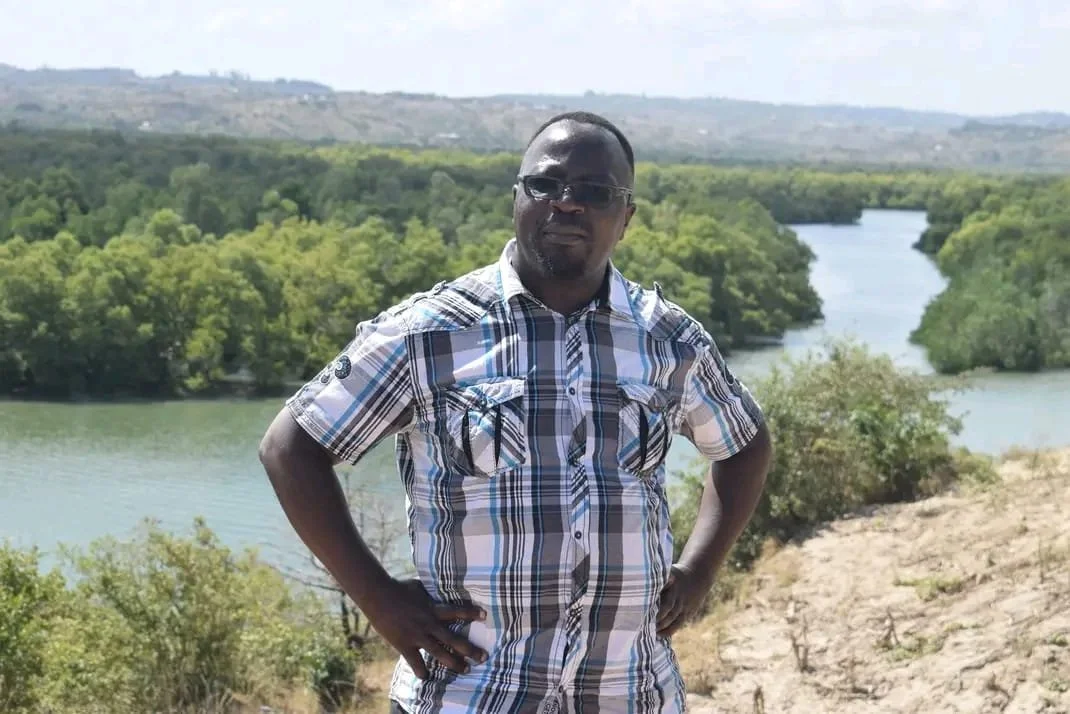
At dawn, Mzee Kahindi crouches at the edge of Kilifi Creek and watches the water. He is seventy-three and has launched a hand-carved canoe from this shore since he was nine. He does not own a motor. He does not want one. What he wants is harder to obtain: the familiar rhythm of the creek.
“The sea tells you things,” he says. “The color, the smell, the way it moves against your hand. My grandfather taught me. His grandfather taught him. But now…”
He watches a plastic bottle drift past.
“The creek is forgetting.”
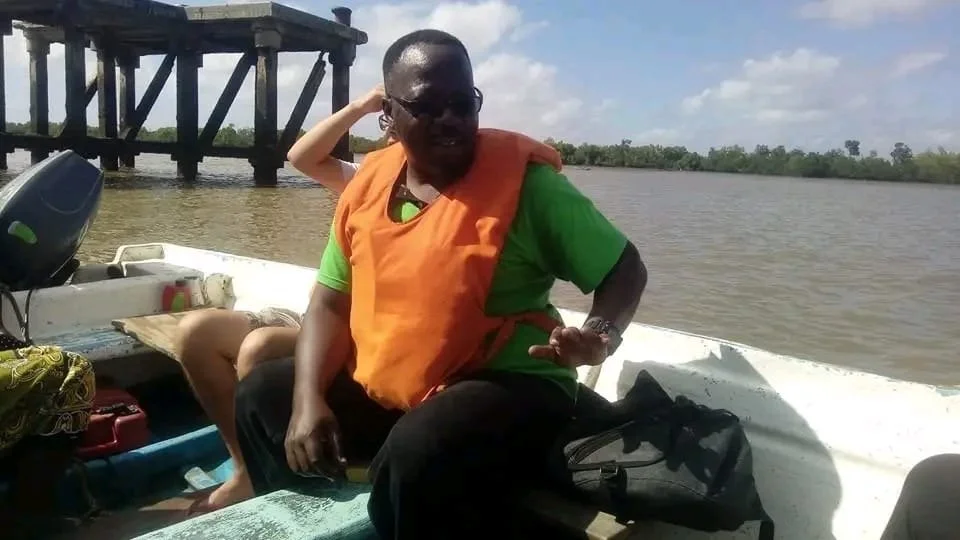
During a week at Mnarani in March 2026, I walked the falling tide with Kahindi and a small group of Giriama fishermen. By the time I joined them, they had already been checking nets, mending lines, and preparing their boats. Above the beach, the resort’s white walls caught the early light.
I had come as a travel writer. Those mornings gave the visit a different focus. The fishermen spoke about changes in the water they knew through years of work. Inland, elders described weather signs that had become harder to interpret. At the resort, staff were trying to connect conservation activities with the knowledge of people whose livelihoods depended on the creek.
Their accounts raised a question that followed me through the week: how do you adapt when the signs you have learned to trust become less dependable?
At dawn, Mzee Kahindi crouches at the edge of Kilifi Creek and watches the water. He is seventy-three and has launched a hand-carved canoe from this shore since he was nine. He does not own a motor. He does not want one. What he wants is harder to
The work beneath the view
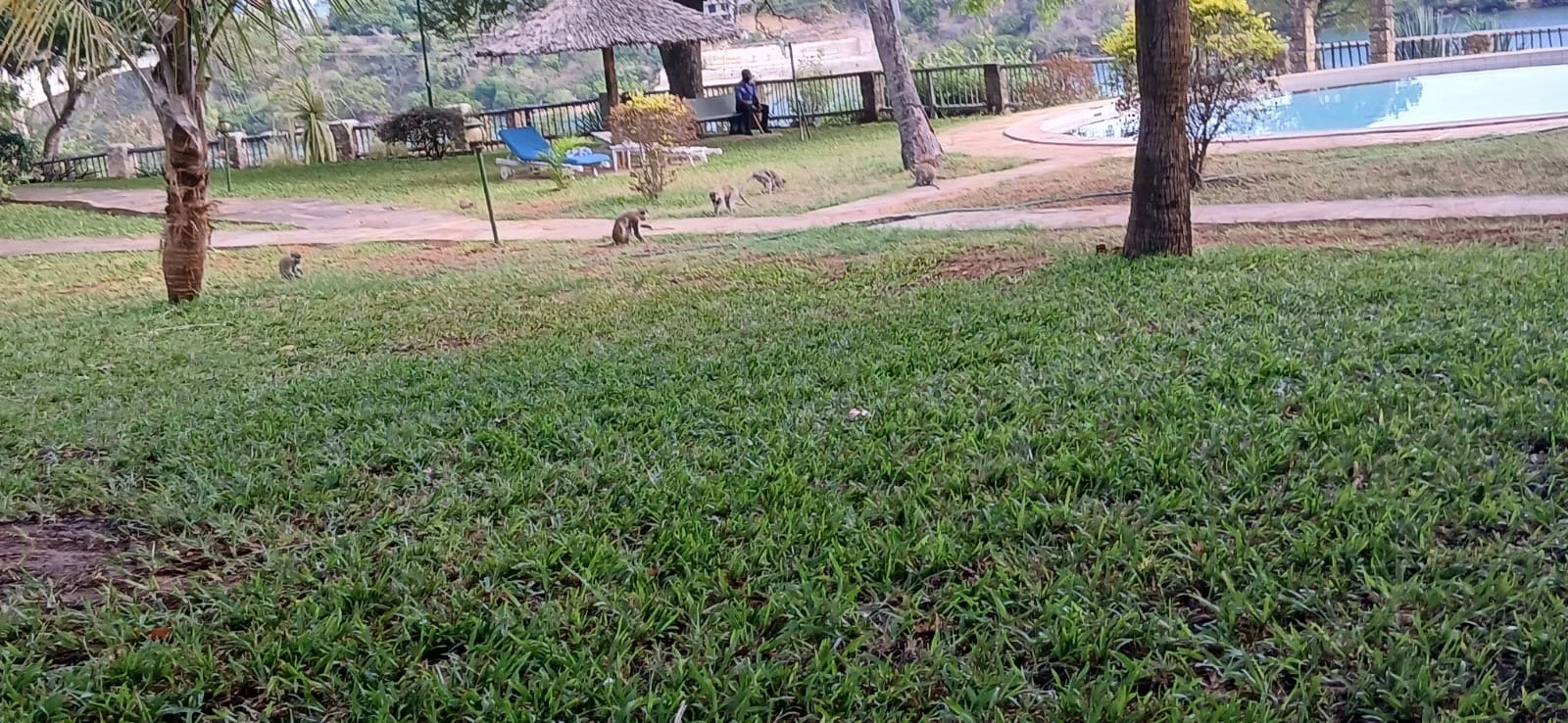
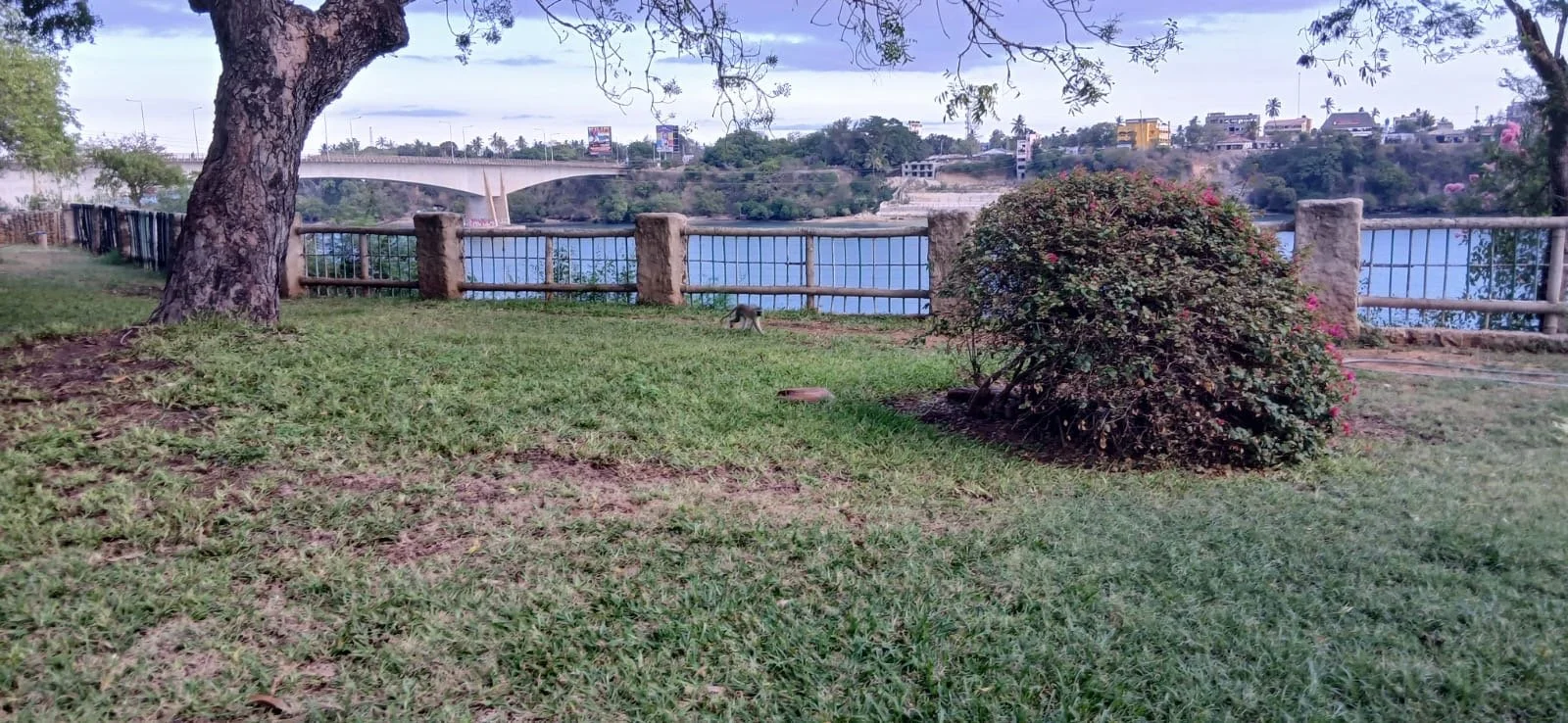
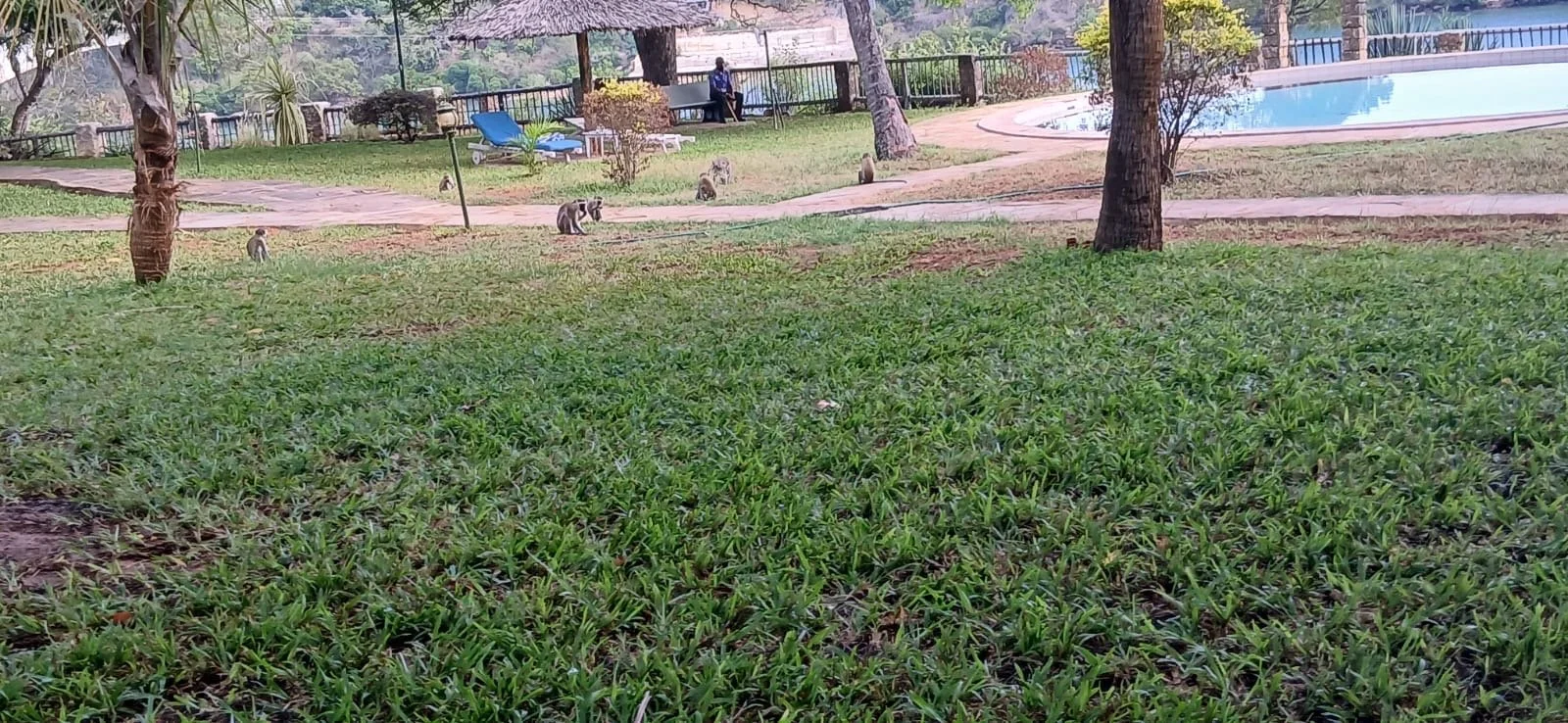
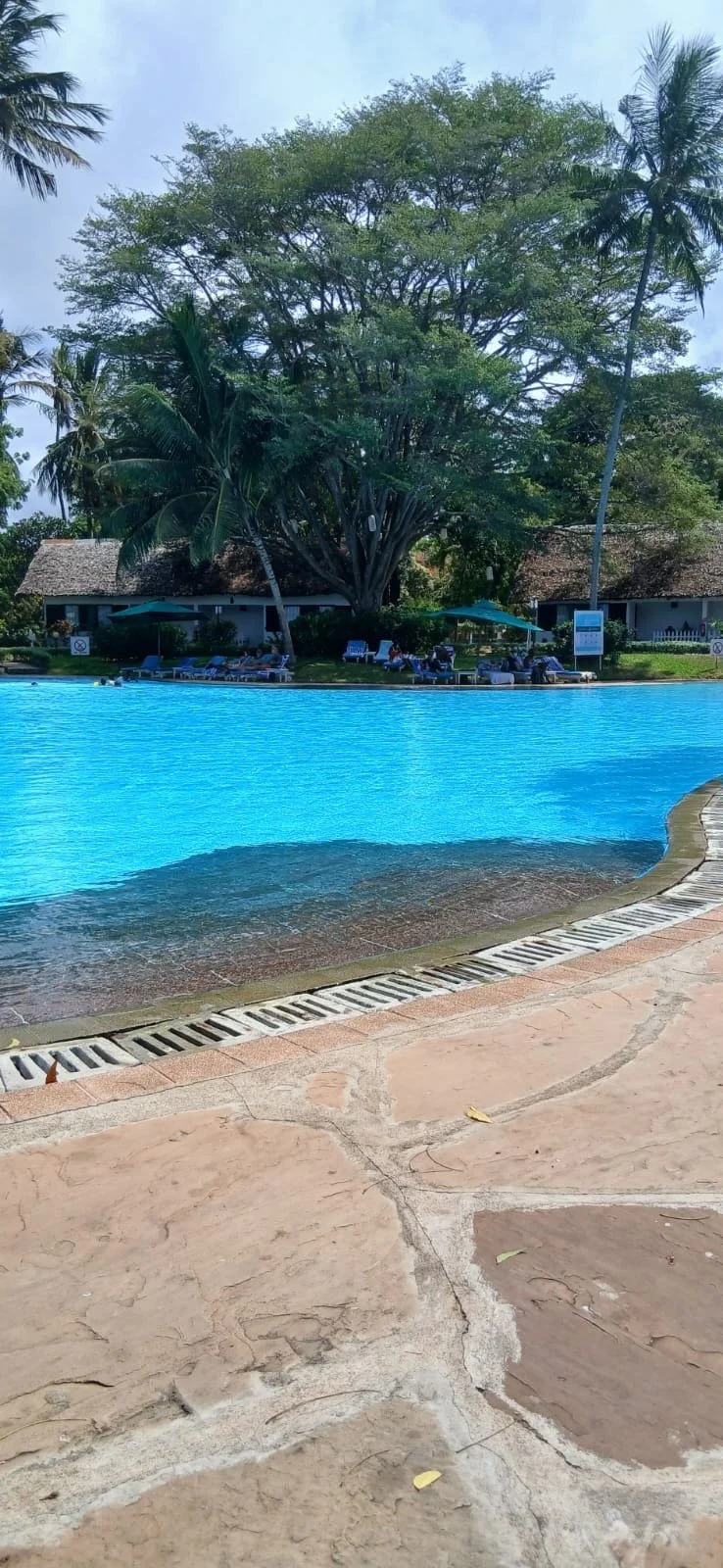
From Mnarani, Kilifi Creek offers the pleasures visitors come for: water, palms, boats, and the relief of an unhurried view. An infinity pool looks toward the creek. Guests drink Dawa cocktails and photograph baobabs against the evening sky.
For Fatuma, the resort’s sustainability coordinator, that view is also a place of work.
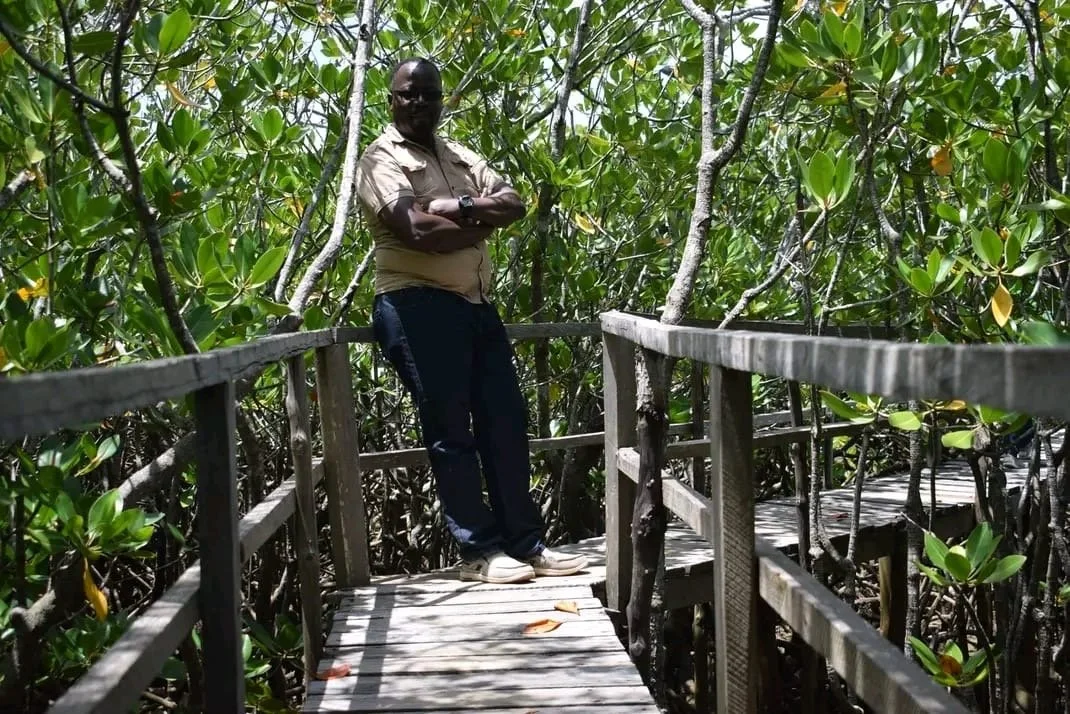
“We started with the mangroves,” she told me as we paddled a two-person kayak through the fringing forest. “Guests wanted to plant trees. We said, okay, but you have to do it right. Not just for a photo. You have to come at low tide. You have to sink the seedling into the mud yourself. You have to understand what you’re doing.”
She described a program in which visitors travel by kayak to planting areas and learn which mangrove species belong in different locations. Her emphasis was on attention: to the tide, to the site, and to what a seedling needs beyond the moment someone plants it.
That last distinction matters. A planting excursion is visible and easily photographed. Whether the trees establish themselves, and whether the work serves the people who use the creek, takes longer to judge. A week’s visit could show me the activity. It could not establish its lasting results.
Reading the weather
Inland, I spent an afternoon with three elders in a Giriama kaya, a sacred forest. I have withheld their names. Beneath the trees, they spoke in Kiswahili and Giriama about the signs they had learned to read: cloud formations, changes in wind, the behavior of crabs before a storm, and the nesting habits of birds.
They described knowledge acquired through observation and passed between generations. They also described uncertainty. Some of the signs that had guided them were becoming less reliable.
“The clouds are confused,” one elder said. “They do not know when to rain.”
The phrase stayed with me. It held the frustration of recognizing a familiar sign and no longer knowing whether it would lead to a familiar result.
These accounts deserve to be heard in their own detail. They are observations made in particular places, over long periods, by people whose decisions carry consequences for food, work, and family life. Understanding the changes they describe also requires attention to the wider environmental record. Neither a brief visit nor a striking quotation can supply that whole explanation.
At Mnarani, staff described an emerging exchange with kaya elders about weather, planting, and the conditions in which trees survive. The value of that exchange would depend on what followed: how the knowledge influenced decisions, and what role its holders had in the work.
The elders I met were teaching. Their knowledge was being spoken, questioned, and carried forward.
The stones above the creek
At the Mnarani ruins, the remains of a Swahili settlement overlook the water. Mosque walls and tombs give the place a scale different from the resort’s daily arrivals and departures. Here, the history of settlement and trade is present in stone.
I was tempted to read the ruins as a warning about adaptation: a community once established beside the sea, its buildings now open to the weather. But the history of a settlement’s decline cannot be reduced to a lesson convenient to a visiting writer. Nor could I assume that the people living nearby saw it as I did.
When I asked Kahindi what lessons he drew from the ruins, he shrugged.
“We are not them,” he said. “We are still here.”
His answer interrupted my neat connection between past and present. He had a living creek to navigate, equipment to tend, and a day’s fishing ahead of him. The ruins did not explain his life for him.
What the palms hold
Coconut palms are woven through the coastal landscape and the lives built within it. They provide food, oil, thatch, and timber. Palm wine carries its own place in social and cultural life. A tree’s value extends beyond what can be harvested on a particular day.
Along the creek, I heard concerns about palms producing less and about salt reaching growing areas. These accounts raised questions about changing conditions and the choices available to farmers. Establishing the causes, extent, and pace of those changes would require more than the observations I gathered during my stay.
A traditional healer, who asked not to be named, described another kind of disruption. Plants she had relied on for years were no longer available in their familiar places. She was now obtaining some of them farther inland.
Her account made the change tangible. A plant that becomes harder to find changes the work of the person who knows where to look for it. Knowledge of its use remains, while access to the plant itself becomes less certain.
The question of enough
Back at Mnarani, I spoke with Juma, a beach management unit chairman who has lived on the coast throughout his life. He remembered more abundant fish, healthier coconut palms, and rains whose timing felt more dependable.
“The resort is trying,” he said. “But is it enough?”
His question deserved more than an enthusiastic account of a planting trip. A resort can offer resources and access to visitors. Its contribution still needs to be assessed through sustained work, local participation, and results that outlast a guest’s stay.
I put the question to Fatuma.
“We are not saviors,” she said. “We are not going to fix climate change. But we can do something. We can plant mangroves. We can listen to elders. We can try to be a model. And maybe, if we are lucky, other resorts will follow.”
There was room in that answer for effort and limitation. The work she described was a beginning. Its promise would have to be tested over time.
The falling tide
On my last morning, I walked the shore with Kahindi once more. The water was calm. He pointed toward the place where the creek met the sea.
“There,” he said. “That is where the fish used to be. Now they are gone.”
I could record what he told me. I could not compress a lifetime on the creek into a week of notes, or turn his account into an explanation of every change along the shore.
What I had seen was the daily work that continued within that uncertainty: nets checked before dawn, boats prepared, elders sharing observations, people asking what might help. Their decisions would continue long after my visit ended.
The tide was going out. Kahindi was watching the water.
Olive Branch is a writer and researcher based on Kenya’s north coast. He is the author of Unfettered Soul: An Anthology of a Reluctant Master.