DOMESTIC BOTANICALS
Making Room for Living Things
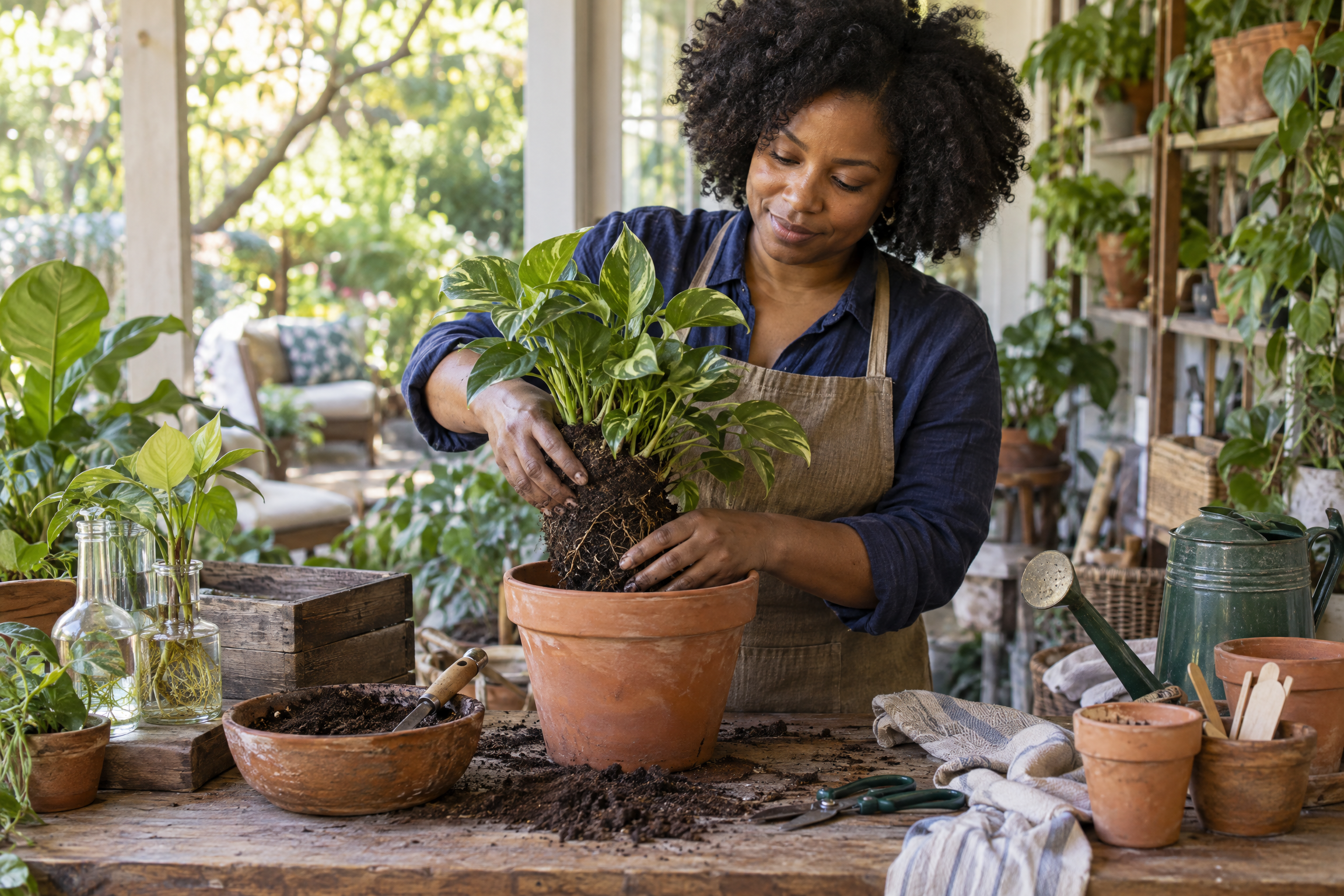
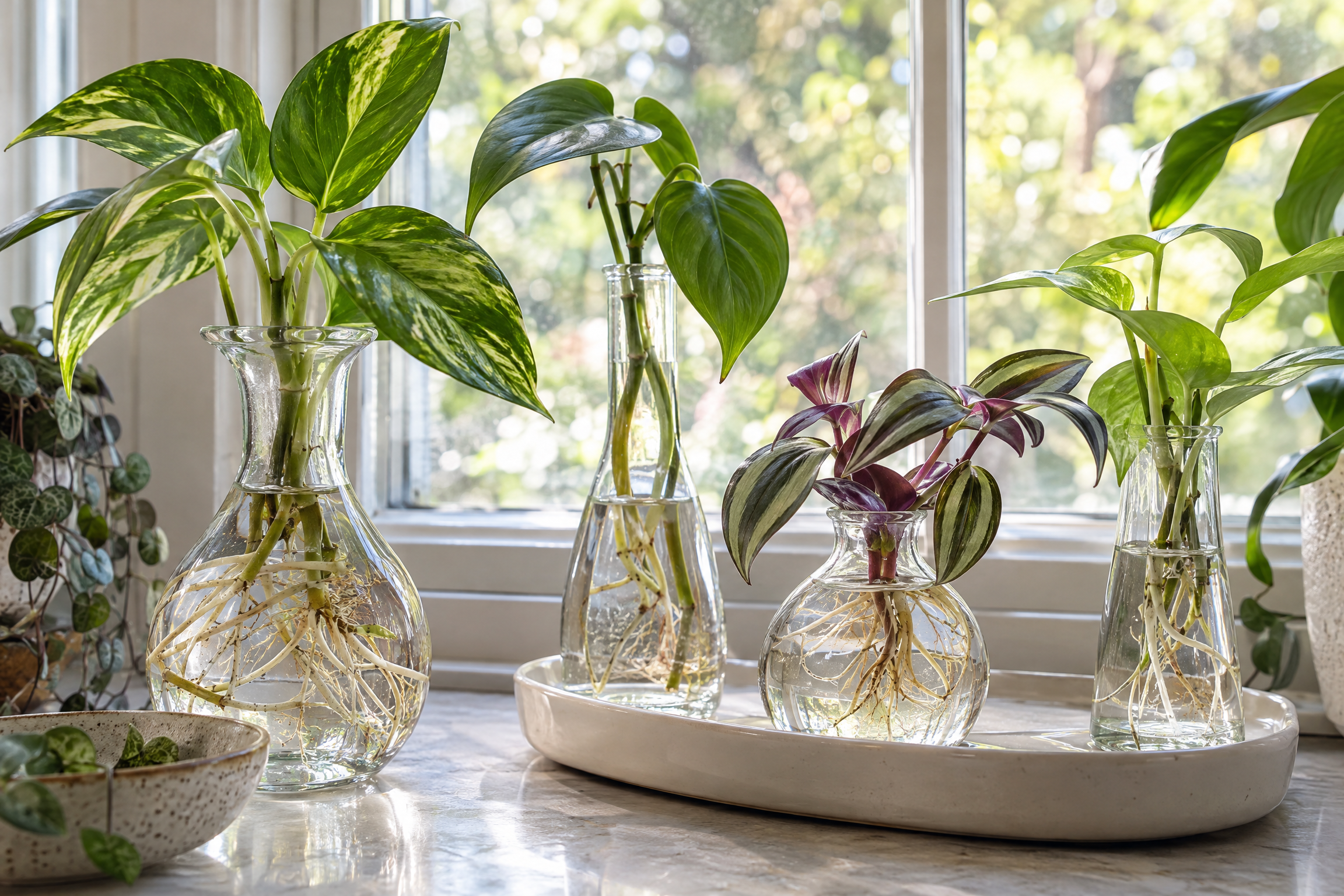
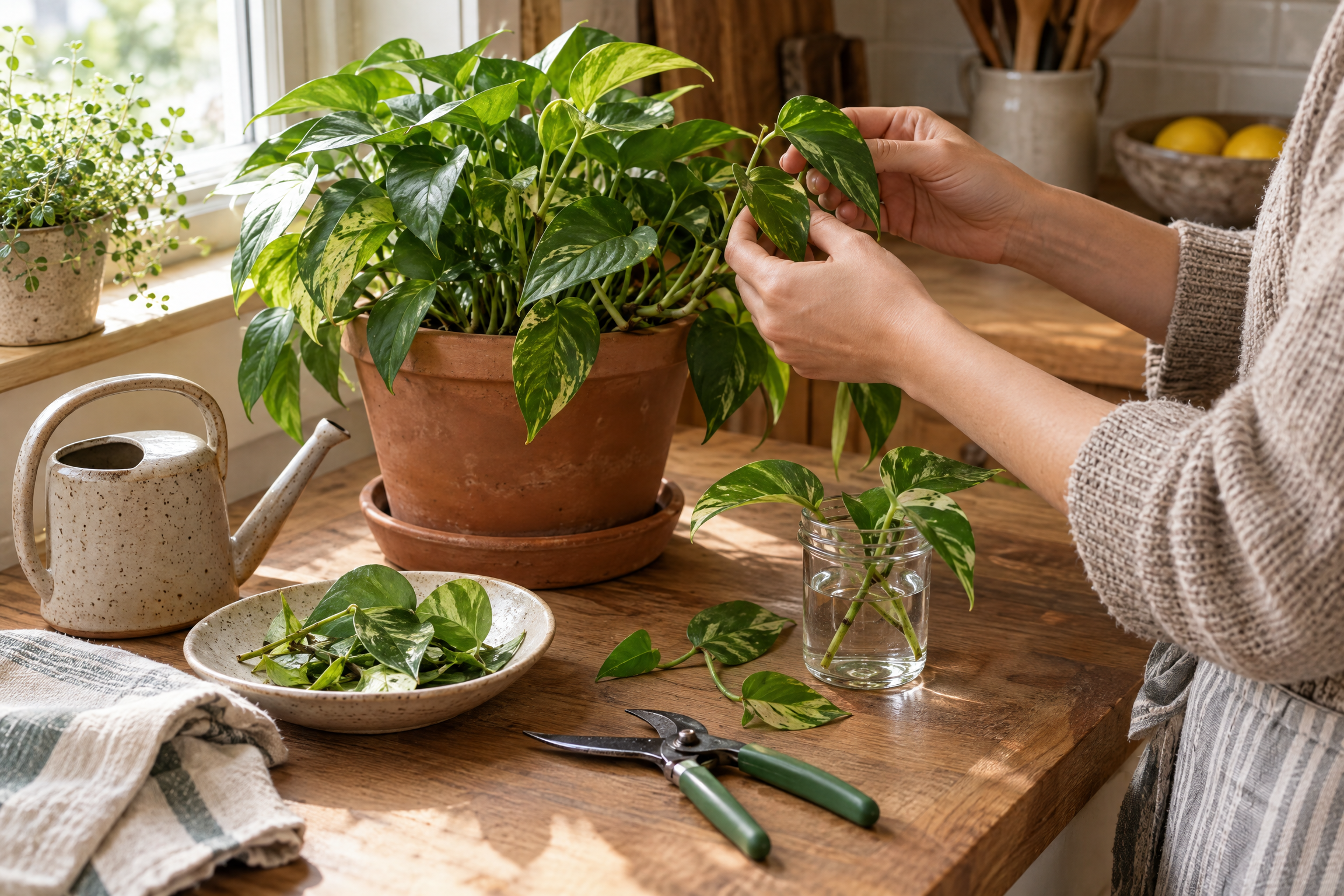
A cutting offered by a friend can become part of a household’s history. Years later, the plant on the windowsill may still carry the name of the person who gave it to us. Caring for it becomes a small, continuing connection.
Domestic Botanicals explores the place of plants, flowers, and seasonal branches in everyday life. We are interested in their beauty and in the attention they ask of us: learning the light in a particular room, noticing new growth, and understanding when to intervene and when to leave something alone.
Our pages make room for experienced gardeners and those tending their first pot. Readers will find plant profiles, approachable arrangements, and practical considerations for choosing greenery that suits their space, routines, and household. A plant’s needs—and its suitability around children or pets—deserve as much attention as the vessel that holds it.
We also welcome the stories carried through gardens, porches, and kitchen windows: who taught us to grow, what they planted, and which traditions we have made our own.
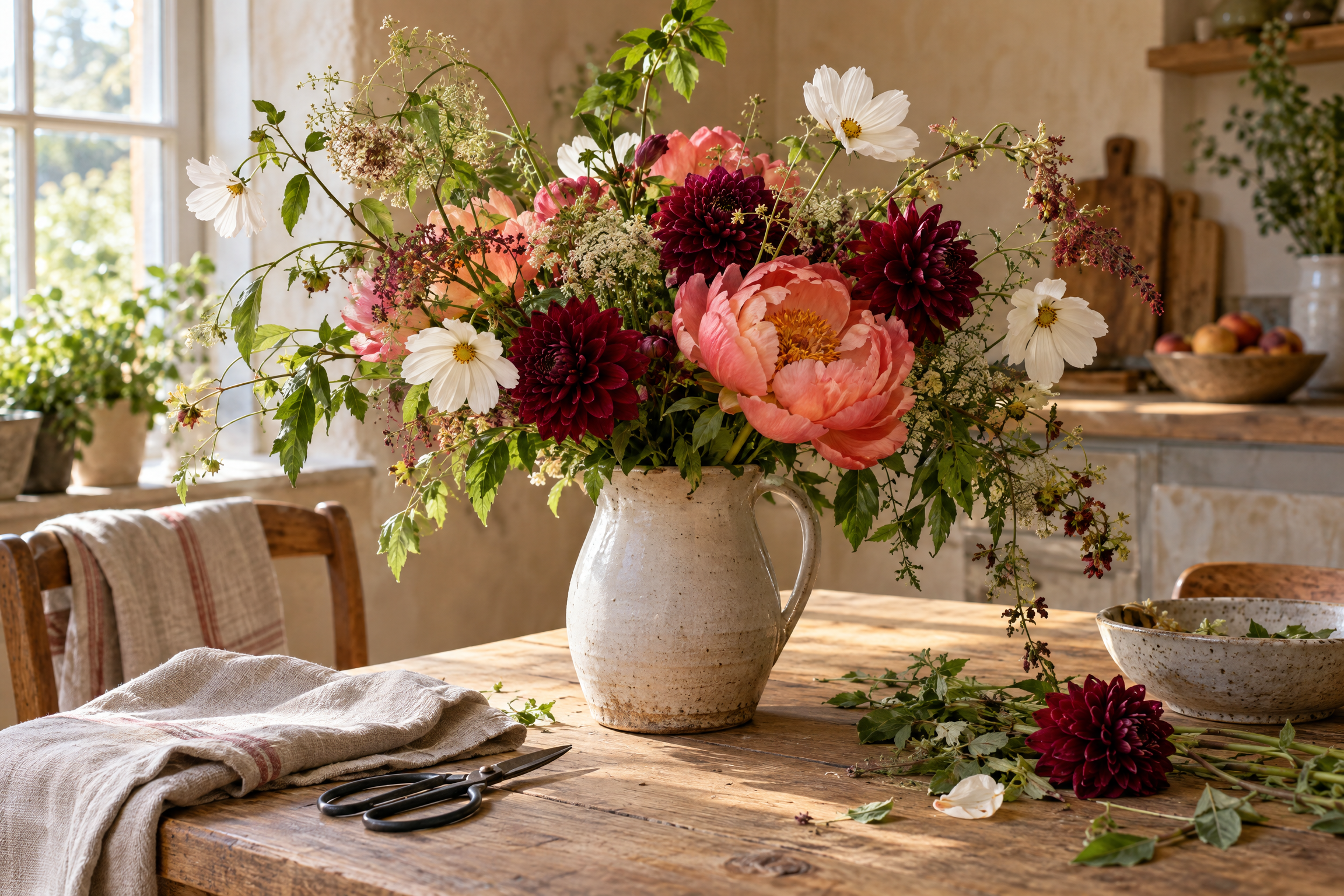
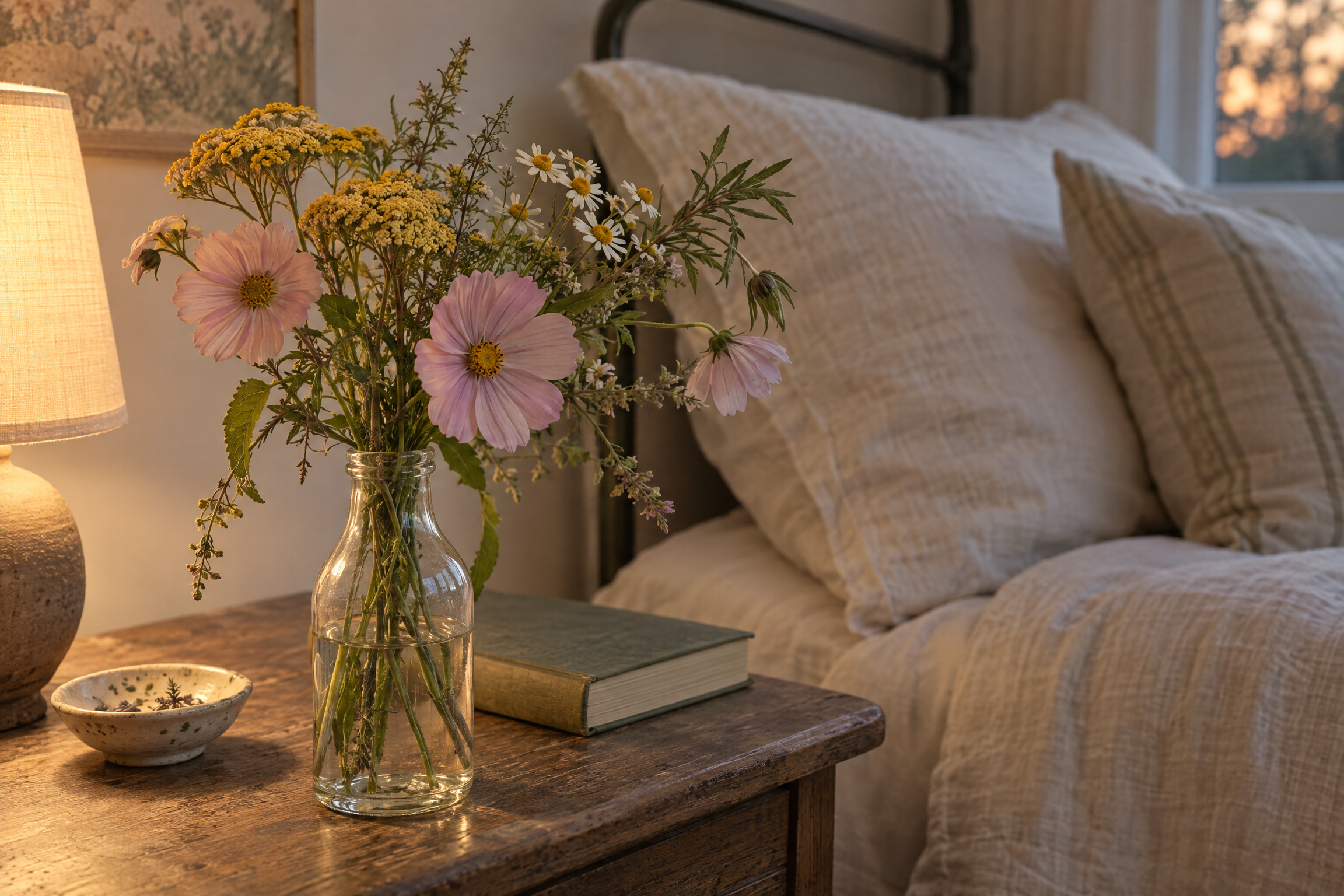
A single stem can change the feeling of a table. A well-tended plant can become a familiar companion through the seasons. This section invites readers to notice those quiet pleasures and make room for them.
Making Room for the Season
Making Room for the Season
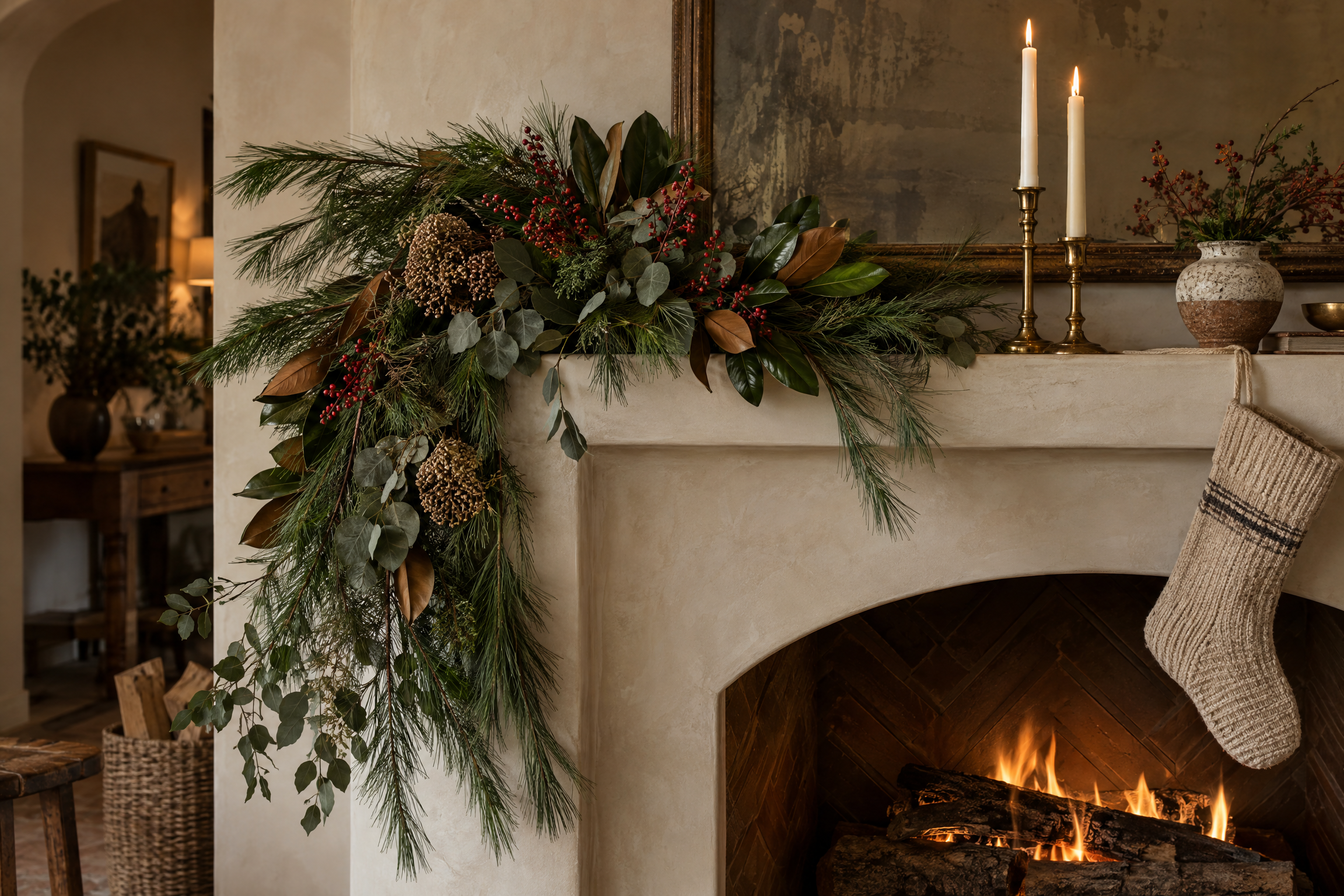
Holiday decorating often begins with the assumption that more space is better space. A long dining table, a generous mantel, a wide staircase—these architectural features make room for abundance. But the rituals of winter do not belong only to large homes. A small room can hold just as much warmth, memory, and celebration when seasonal choices are made with intention.
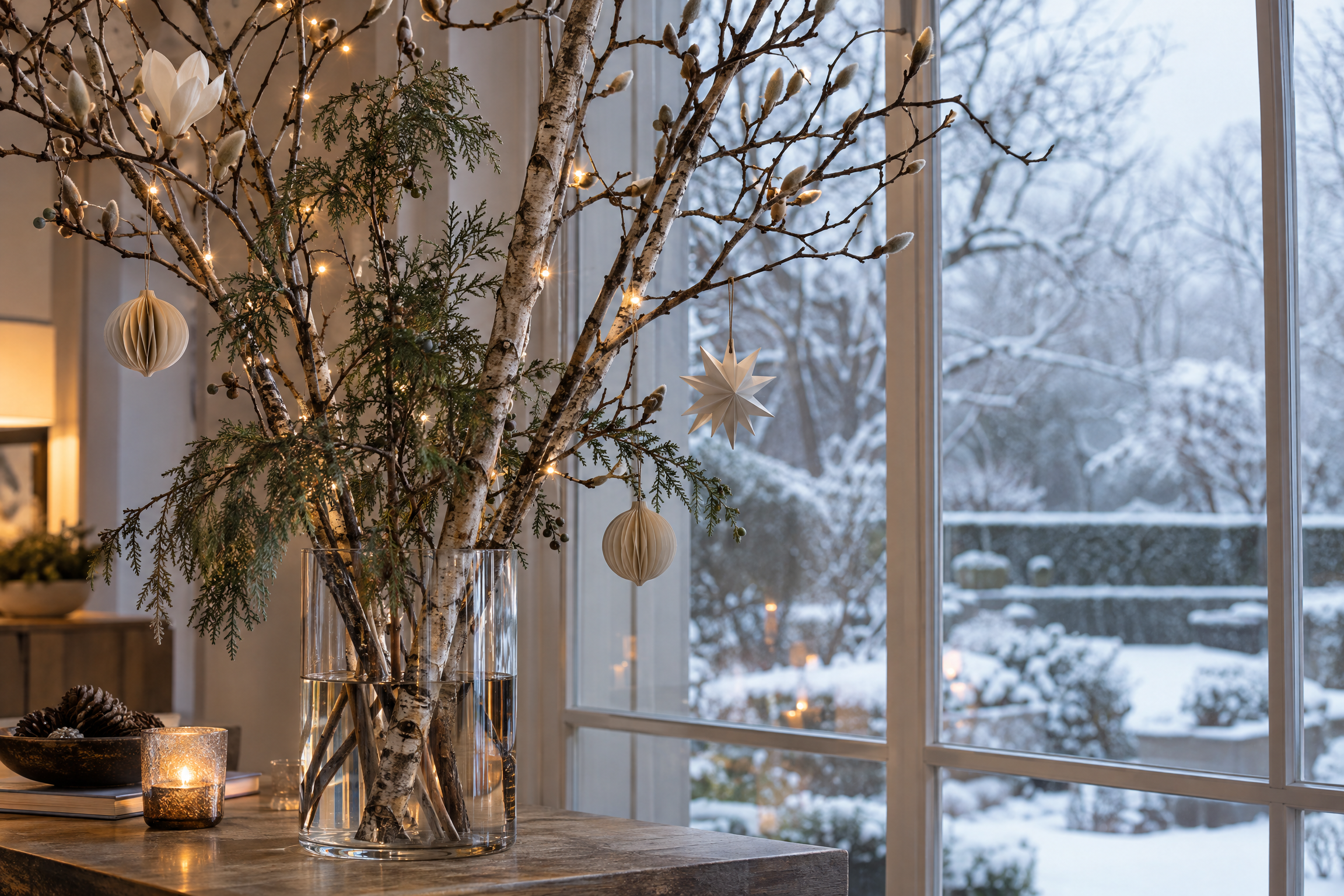
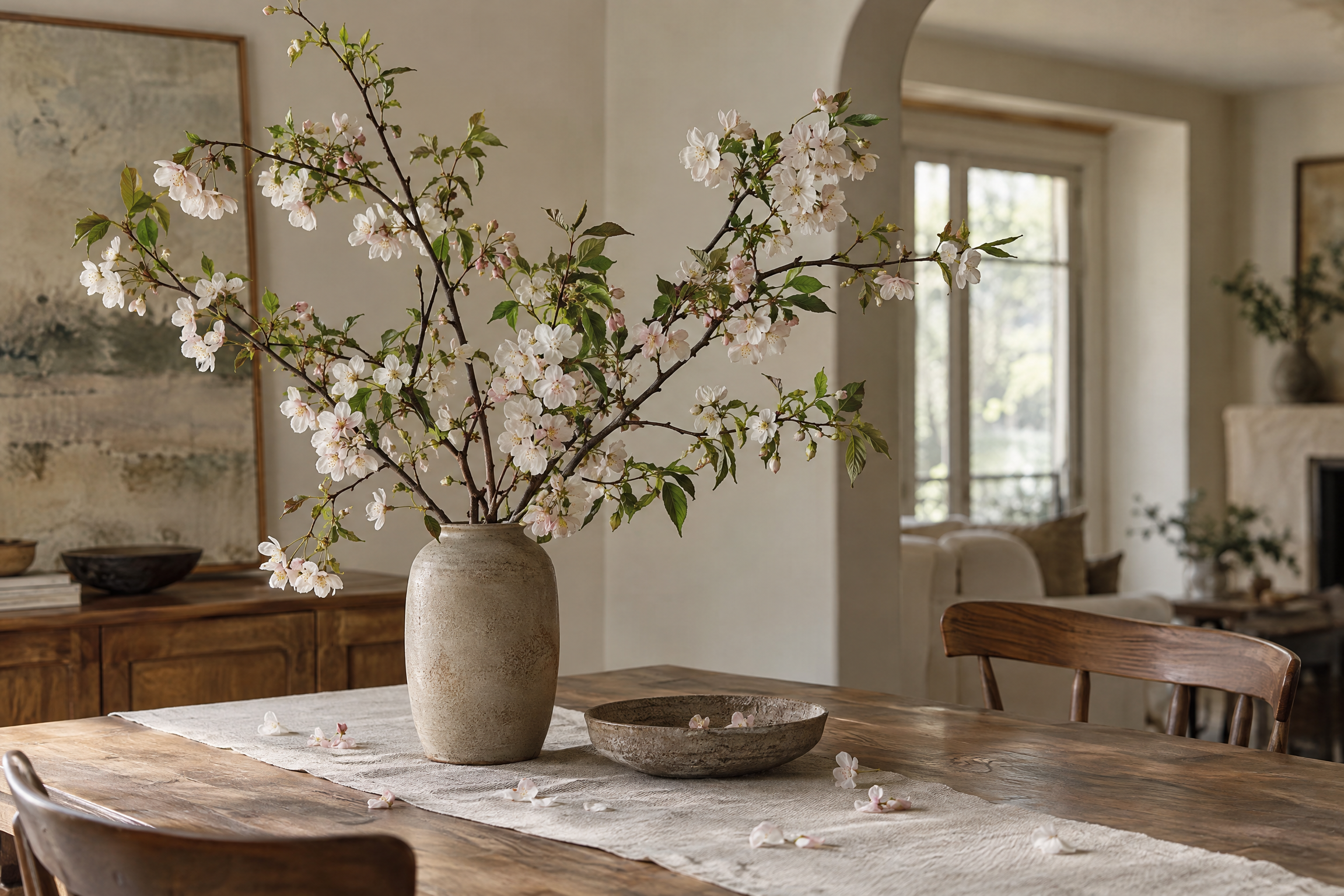
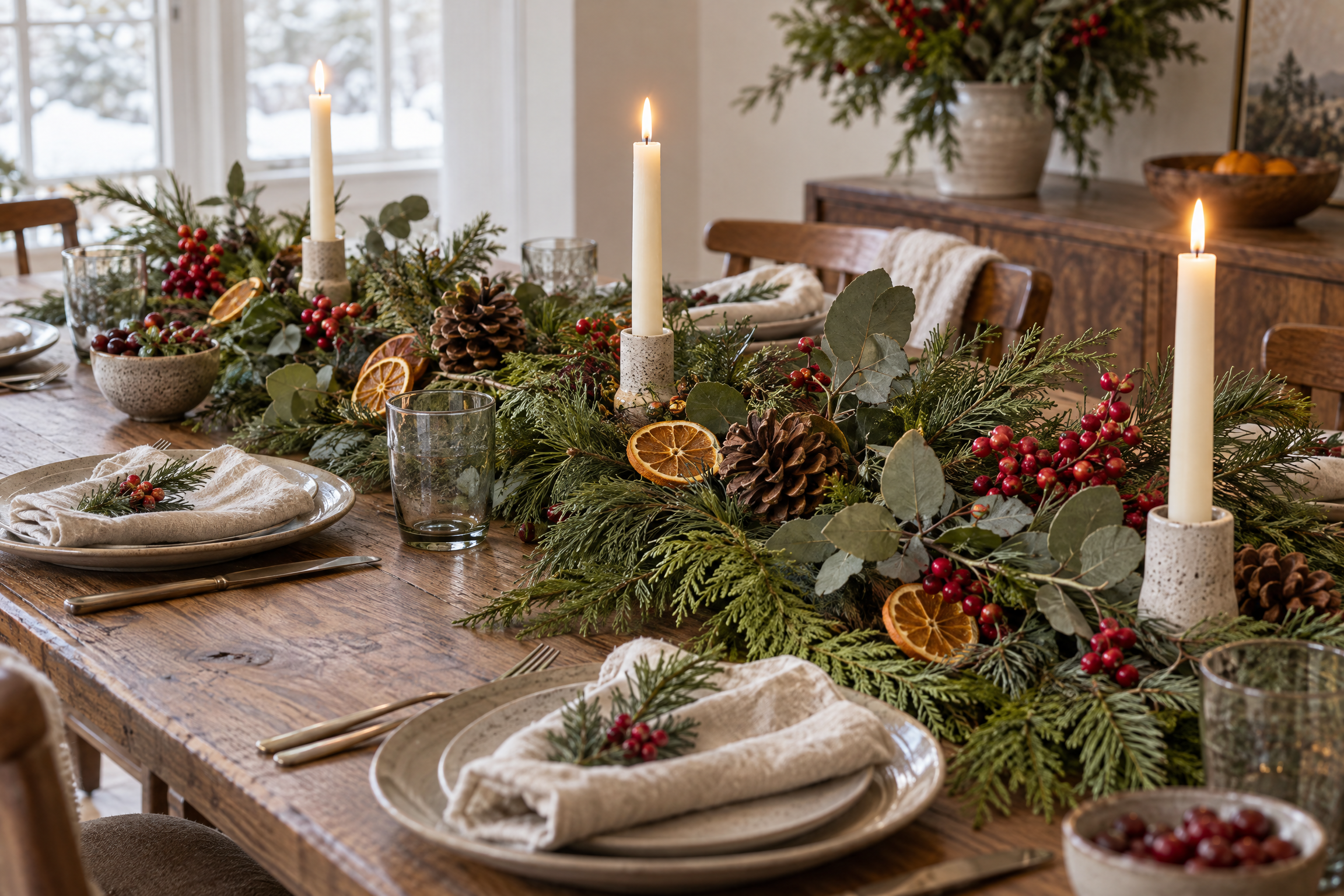
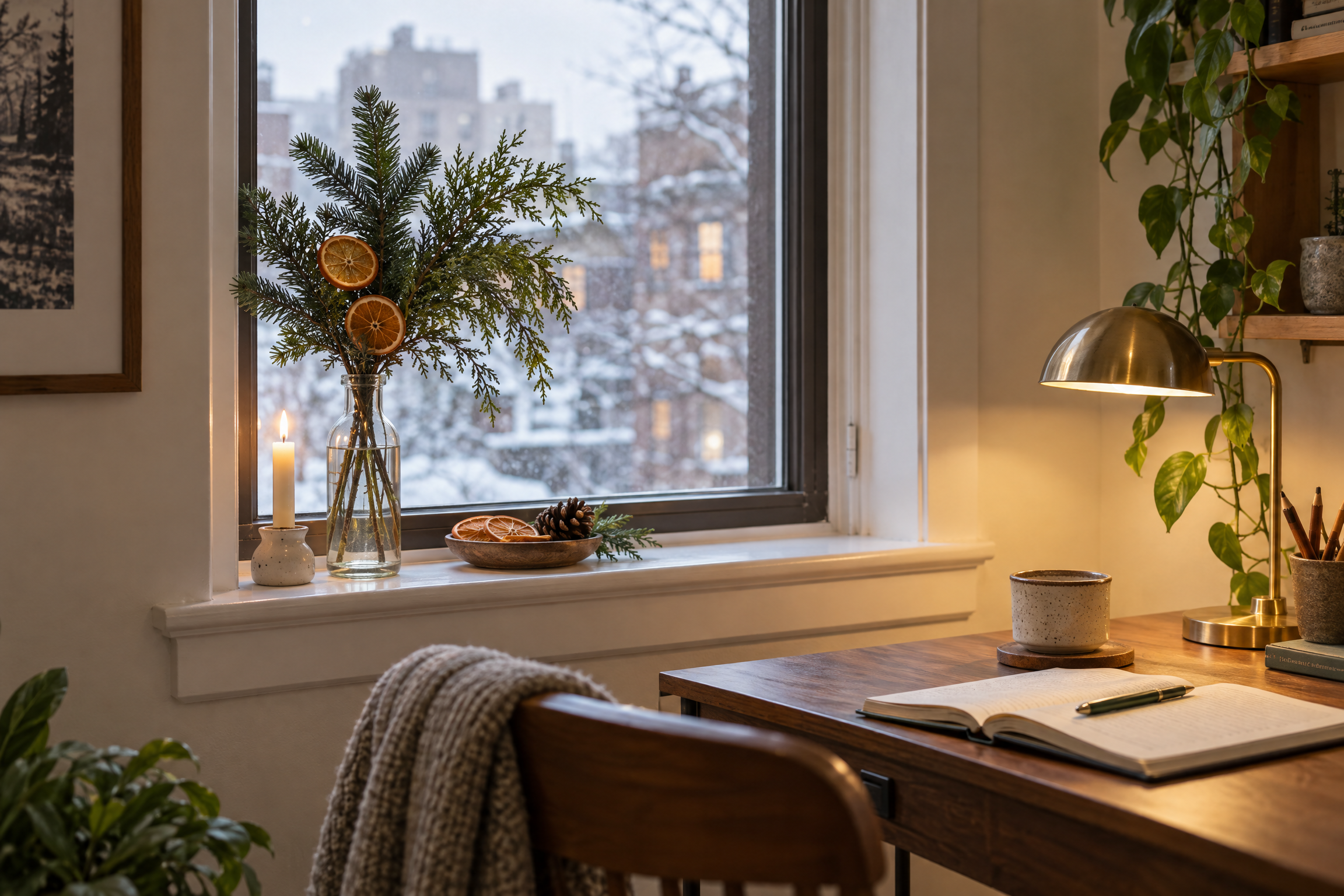
In a compact home, holiday botanicals can offer a sense of occasion without overwhelming the room. A few evergreen branches in a narrow vessel may be all that is needed to bring the outdoors inside. Cedar, pine, magnolia, eucalyptus, and winterberry each offer texture and fragrance while taking up very little visual space. Placed in a simple glass bottle or a tall ceramic pitcher, a single branch can transform a windowsill, entry table, or kitchen counter.
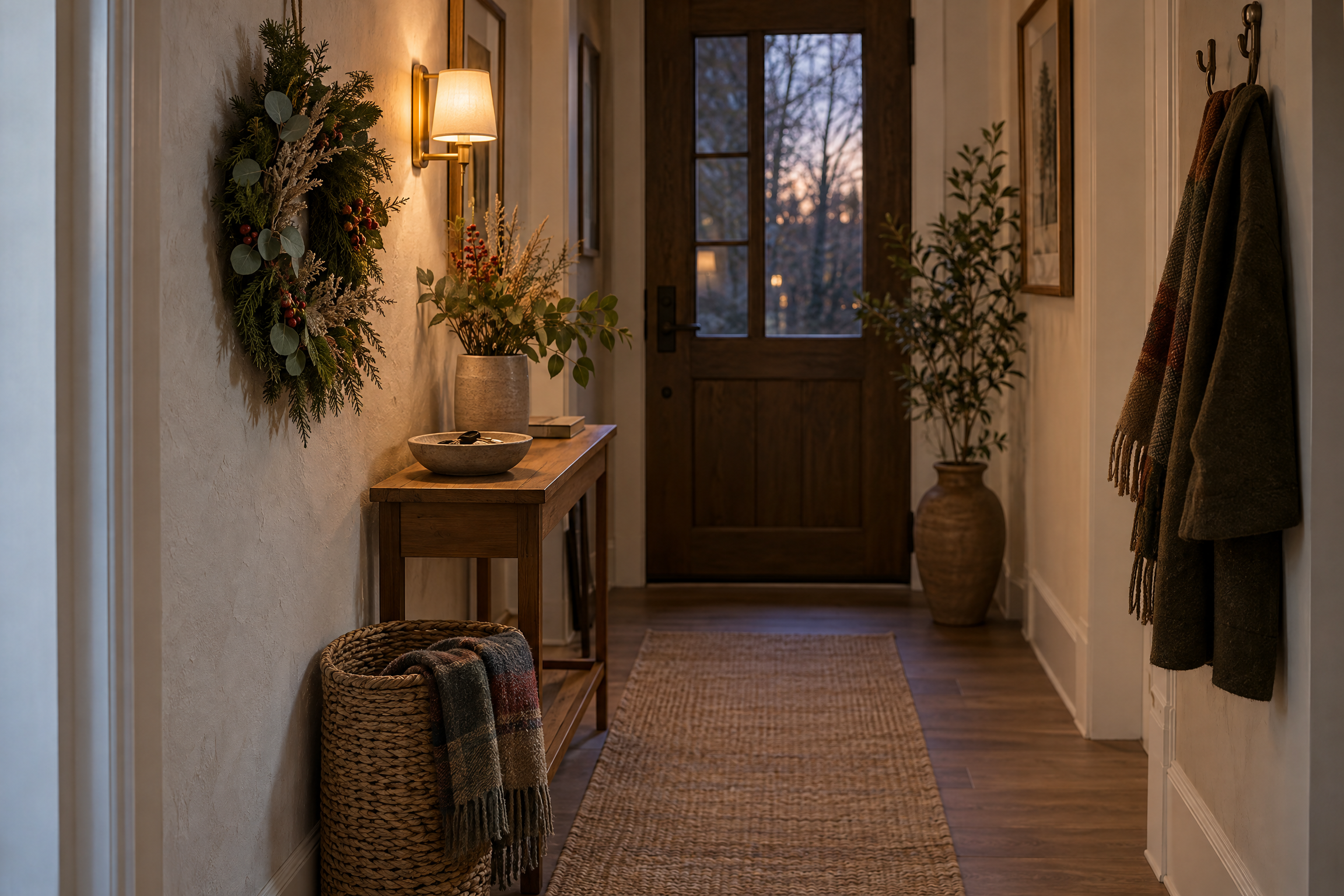
The key is to think vertically. When floor space is limited, look upward: suspend a small wreath from a cabinet door, drape greenery across a picture rail, or place branches in a tall vessel on a narrow console. A cluster of dried stems can occupy an unused corner without interfering with circulation. Even a few clipped evergreen sprigs tucked into a bud vase can make an everyday room feel connected to the season.
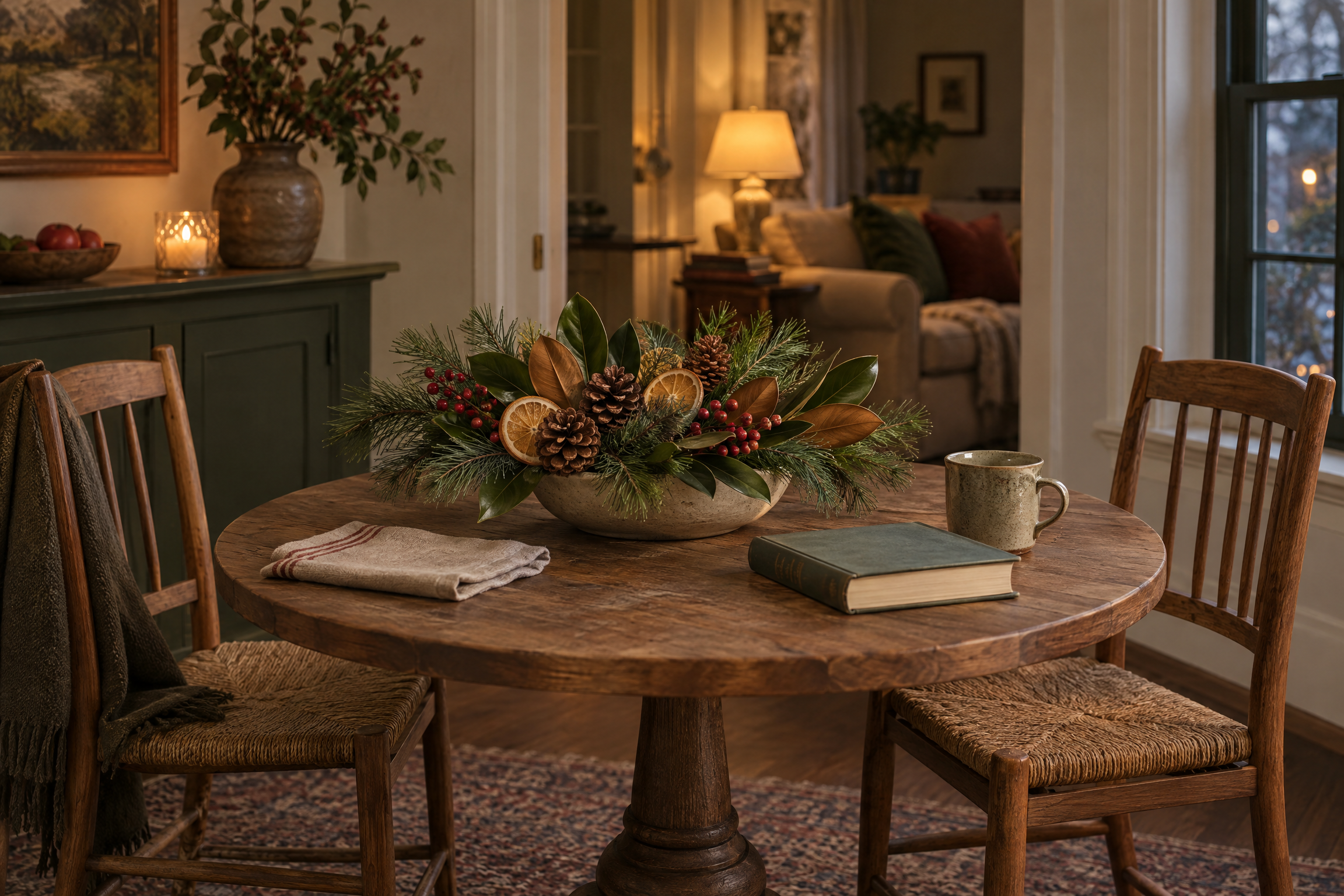
Small spaces also benefit from arrangements that can change throughout the day. A dining table may serve as a work surface, a place for homework, and a setting for a holiday meal. Rather than creating a permanent centerpiece, consider a low arrangement that can be moved easily. A shallow bowl filled with pinecones, dried citrus, and sprigs of rosemary may become part of the table during dinner and move to a shelf afterward. A garland can be gathered into a basket when the room needs to be cleared.
This flexibility is not a compromise. It is part of the beauty of living in a smaller space. Objects must participate in daily life, not simply occupy it.
Winter traditions can also be expressed through materials rather than volume. The glow of a candle, the scent of orange peel and clove, the texture of wool, or the sound of branches brushing against a window can establish a seasonal atmosphere without filling every surface. Linen napkins in deep red or forest green, a brass candlestick, a handmade ornament, or a bowl of walnuts may carry more meaning than a room crowded with decorations.
Many traditions are already small by nature. Making a favorite recipe, drying citrus slices, arranging flowers with a child, lighting a candle at dusk, or placing a familiar ornament in the same spot each year can become a ritual of continuity. These gestures connect one season to another. They remind us that celebration is not measured by scale, but by attention.
Making Room for the Season
For households with children or pets, botanical choices deserve practical consideration. Holly berries, mistletoe, amaryllis, and some varieties of lilies can be harmful if ingested. Secure fragile vessels, keep candles out of reach, and choose sturdy arrangements for areas where people move frequently. Seasonal beauty should support the household rather than create new hazards within it.
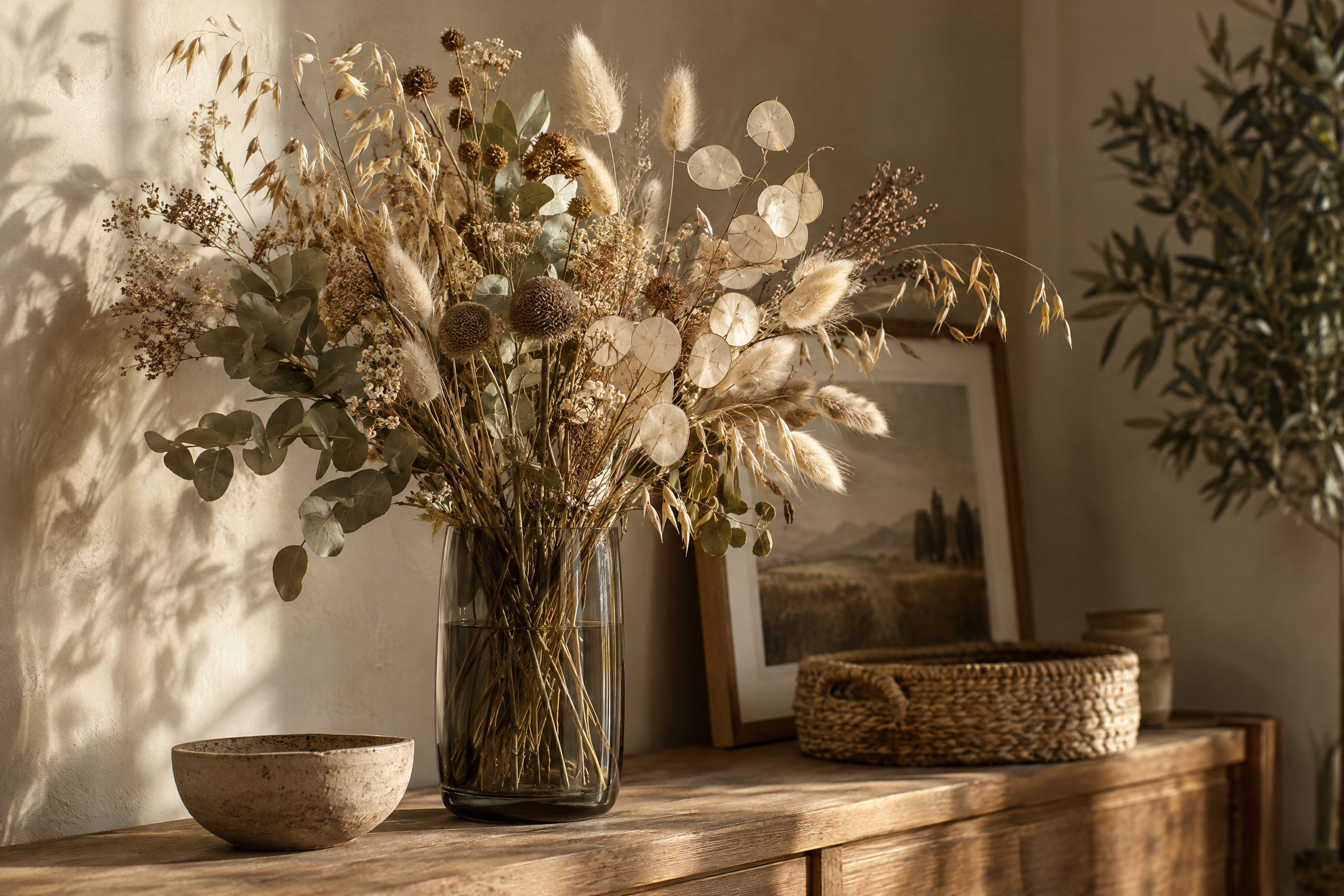
Dried botanicals are especially useful in a small home because they last beyond a single gathering. A bundle of grasses, seed heads, or eucalyptus can move from a holiday table to a bedroom or reading corner when the season changes. Dried orange slices can be threaded into a garland, added to a wreath, or placed in a bowl with cinnamon sticks and pinecones. Their muted colors allow them to remain part of the home long after the most explicit holiday decorations have been stored away.
The most successful seasonal interiors leave room for ordinary life. A wreath shares space with a backpack. A vase of evergreen sits beside the mail. A small tree stands near a desk, its lights reflected in a laptop screen. These moments are not less festive because they are practical. They are meaningful precisely because the season is woven into the life already happening there.
A small home does not need to become a different place for the holidays. It only needs a few thoughtful signals: a branch gathered from outdoors, a vessel brought down from a shelf, a recipe made in the same kitchen, a candle lit at the close of the day. Through these modest additions, winter finds its way indoors.
The result is not decoration for its own sake, but a home made more attentive to the season—fragrant, illuminated, and ready to hold the traditions that matter.